Buy xbtc.eu ?
We are moving the project
xbtc.eu .
Are you interested in purchasing the domain
xbtc.eu ?
domain@kv-gmbh.de · 0541-91531010
Buy xbtc.eu ?
Are those contrails?
Yes, those are contrails. Contrails are the visible trails of condensed water vapor left behind by aircraft engines at high altitudes. They form when the hot exhaust gases from the aircraft mix with the cold air at high altitudes, causing the water vapor to condense and form clouds. Contrails can sometimes linger in the sky for a long time, depending on the atmospheric conditions. **
Can airplanes turn off contrails?
No, airplanes cannot turn off contrails. Contrails are formed when hot, humid air from the airplane's engines mixes with the cold air at high altitudes, causing the water vapor to condense and form visible trails. While there are technologies being developed to reduce the formation of contrails, such as modifying engine designs and flight paths, it is not currently possible to completely turn off contrails. **

Similar search terms for Contrails
Top-Angebote
Products related to Contrails:
-
Magnum Technology MGS0102 Tailgate strutFitting Position: both sides; Styling: without spoiler; Length [mm]: 560; Stroke [mm]: 221; Extention Force [N]: 290; Colour: black; Housing Diameter [mm]: 18; min. length [mm]: 322; Piston Rod Diameter [mm]: 814,99 £*Shipping: 8,45 £Secure redirect to the provider
-
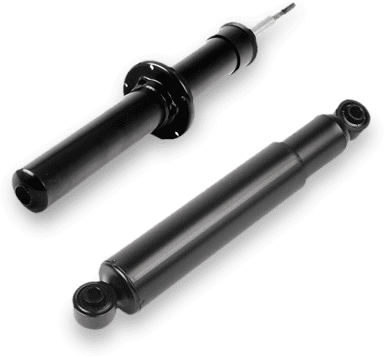
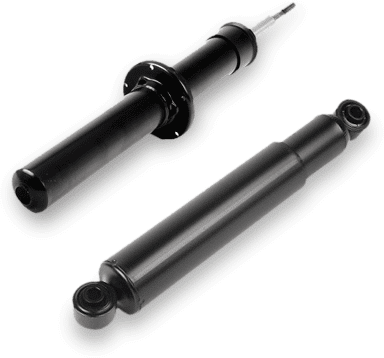
Magnum Technology APM025MT Shock absorberShock Absorber Type: Oil Pressure; Shock Absorber Mounting Type: Top yoke; Shock Absorber Design: Telescopic Shock Absorber; Fitting Position: Rear Axle Left; Vehicle Equipment Line/Trim Level: Airmatic; Braking/Driving Dynamics: for vehicles with ADS407,99 £*Shipping: 1,99 £Secure redirect to the provider
-
Magnum Technology MGS3065 Tailgate strutFitting Position: both sides; Colour: black; Styling: without spoiler; Length [mm]: 466,5; Stroke [mm]: 172; Extention Force [N]: 455; Housing Diameter [mm]: 18,5; Piston Rod Diameter [mm]: 8; Construction Year from: 07/201316,49 £*Shipping: 8,45 £Secure redirect to the provider


-
What are contrails in turbofan engines?
Contrails in turbofan engines are the visible white streaks of condensed water vapor that form in the aircraft's wake as it flies at high altitudes. These contrails are created when the hot exhaust gases from the engine mix with the cold air at high altitudes, causing the water vapor in the exhaust to condense into tiny ice crystals. Contrails can persist for a long time and can sometimes spread out to form cirrus clouds, affecting the Earth's climate. **
-
Do contrails form in hydrogen aircraft?
Contrails, which are the visible trails of condensed water vapor left behind by aircraft engines, can also form in hydrogen aircraft. While hydrogen-powered aircraft produce water vapor as a byproduct of combustion, the amount and persistence of contrails may differ compared to traditional jet engines that burn fossil fuels. Factors such as altitude, temperature, and humidity play a role in the formation and dissipation of contrails in hydrogen aircraft. **
-
Why do contrails sometimes have gaps?
Contrails sometimes have gaps because they are formed when hot, moist exhaust from aircraft engines mixes with the cold air at high altitudes. If the atmospheric conditions are not uniform, such as variations in temperature or humidity, the contrail may appear to have gaps or breaks. These variations can cause the contrail to dissipate or form irregularly, resulting in the appearance of gaps in the trail. Additionally, the presence of strong winds at high altitudes can also cause contrails to disperse unevenly, creating gaps in the trail. **
-
Do contrails form on hydrogen-powered aircraft?
Contrails can form on hydrogen-powered aircraft just like on traditional aircraft. Contrails are formed when hot exhaust gases from the aircraft's engines mix with cold air at high altitudes, causing water vapor to condense and freeze into ice crystals. Since hydrogen-powered aircraft still produce water vapor as a byproduct of combustion, contrails can still form under the right atmospheric conditions. **

Do some passenger planes not leave contrails?
Yes, some passenger planes do not leave contrails. Whether or not a plane leaves a contrail depends on the atmospheric conditions at the altitude the plane is flying. If the air is too dry or the temperature is not conducive to contrail formation, then a plane may not leave a contrail. Additionally, newer aircraft engines are designed to be more fuel-efficient and produce fewer emissions, which can also result in fewer contrails being formed. **
Do some passenger airplanes not leave contrails?
Yes, some passenger airplanes do not leave contrails. Whether or not a contrail forms behind an airplane depends on several factors, including the temperature and humidity of the surrounding air, as well as the type of engines and altitude of the aircraft. In certain conditions, airplanes may not produce contrails at all, or the contrails may dissipate quickly. Additionally, newer aircraft with more efficient engines may produce fewer or no contrails compared to older aircraft. **
Top-Angebote
Products related to Contrails:
-
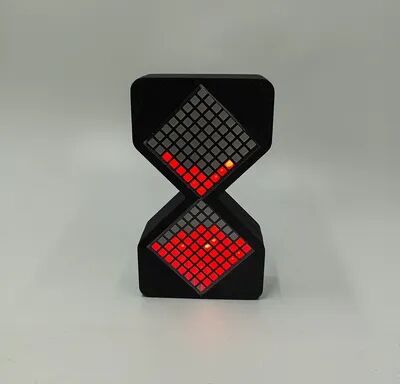
Youfap Market DIY Digital Cyber Hourglass Birthday Gift, Interactive LED Hourglass For Kids, Cyber Style With Glowing Technology square BlueTransform the ordinary into something extraordinary with the DIY Digital Cyber Hourglass! This innovative toy brings a futuristic glow to any room, making it the perfect birthday gift for kids who love unique, techinspired gadgets. With its striking...59,97 $*Shipping: 0,00 $Secure redirect to the provider
-
Magnum Technology AG0547MT Shock absorberShock Absorber Design: Suspension Strut; Shock Absorber System: Twin-Tube; Shock Absorber Type: Gas Pressure; Parameter: SFE30X; Fitting Position: Front Axle Right; Shock Absorber Mounting Type: Top pin; Suspension: for vehicles with standard suspension; for OE number: 54661-2L000, 54661-2L100, 54661-2L200, 54661-2L500, 54661-2L60051,99 £*Shipping: 8,45 £Secure redirect to the provider
-
Magnum Technology MGS0102 Tailgate strutFitting Position: both sides; Styling: without spoiler; Length [mm]: 560; Stroke [mm]: 221; Extention Force [N]: 290; Colour: black; Housing Diameter [mm]: 18; min. length [mm]: 322; Piston Rod Diameter [mm]: 814,99 £*Shipping: 8,45 £Secure redirect to the provider
-
Are those contrails?
Yes, those are contrails. Contrails are the visible trails of condensed water vapor left behind by aircraft engines at high altitudes. They form when the hot exhaust gases from the aircraft mix with the cold air at high altitudes, causing the water vapor to condense and form clouds. Contrails can sometimes linger in the sky for a long time, depending on the atmospheric conditions. **
-
Can airplanes turn off contrails?
No, airplanes cannot turn off contrails. Contrails are formed when hot, humid air from the airplane's engines mixes with the cold air at high altitudes, causing the water vapor to condense and form visible trails. While there are technologies being developed to reduce the formation of contrails, such as modifying engine designs and flight paths, it is not currently possible to completely turn off contrails. **
-
What are contrails in turbofan engines?
Contrails in turbofan engines are the visible white streaks of condensed water vapor that form in the aircraft's wake as it flies at high altitudes. These contrails are created when the hot exhaust gases from the engine mix with the cold air at high altitudes, causing the water vapor in the exhaust to condense into tiny ice crystals. Contrails can persist for a long time and can sometimes spread out to form cirrus clouds, affecting the Earth's climate. **
-
Do contrails form in hydrogen aircraft?
Contrails, which are the visible trails of condensed water vapor left behind by aircraft engines, can also form in hydrogen aircraft. While hydrogen-powered aircraft produce water vapor as a byproduct of combustion, the amount and persistence of contrails may differ compared to traditional jet engines that burn fossil fuels. Factors such as altitude, temperature, and humidity play a role in the formation and dissipation of contrails in hydrogen aircraft. **
Similar search terms for Contrails
-
Magnum Technology APM025MT Shock absorberShock Absorber Type: Oil Pressure; Shock Absorber Mounting Type: Top yoke; Shock Absorber Design: Telescopic Shock Absorber; Fitting Position: Rear Axle Left; Vehicle Equipment Line/Trim Level: Airmatic; Braking/Driving Dynamics: for vehicles with ADS407,99 £*Shipping: 1,99 £Secure redirect to the provider
-
Magnum Technology MGS3065 Tailgate strutFitting Position: both sides; Colour: black; Styling: without spoiler; Length [mm]: 466,5; Stroke [mm]: 172; Extention Force [N]: 455; Housing Diameter [mm]: 18,5; Piston Rod Diameter [mm]: 8; Construction Year from: 07/201316,49 £*Shipping: 8,45 £Secure redirect to the provider
-
Magnum Technology AG4055MT Shock absorberFitting Position: Rear Axle, Front Axle Left, Front Axle Right; Shock Absorber Type: Gas Pressure; Shock Absorber Mounting Type: Bottom eye, Top pin; Shock Absorber Design: Telescopic Shock Absorber; Suspension: for vehicles with standard suspension, for vehicles with sports suspension49,99 £*Shipping: 8,45 £Secure redirect to the provider
-
Youfap Market DIY Digital Cyber Hourglass Birthday Gift, Interactive LED Hourglass For Kids, Cyber Style With Glowing Technology square RedTransform the ordinary into something extraordinary with the DIY Digital Cyber Hourglass! This innovative toy brings a futuristic glow to any room, making it the perfect birthday gift for kids who love unique, techinspired gadgets. With its striking...59,97 $*Shipping: 0,00 $Secure redirect to the provider
-
Why do contrails sometimes have gaps?
Contrails sometimes have gaps because they are formed when hot, moist exhaust from aircraft engines mixes with the cold air at high altitudes. If the atmospheric conditions are not uniform, such as variations in temperature or humidity, the contrail may appear to have gaps or breaks. These variations can cause the contrail to dissipate or form irregularly, resulting in the appearance of gaps in the trail. Additionally, the presence of strong winds at high altitudes can also cause contrails to disperse unevenly, creating gaps in the trail. **
-
Do contrails form on hydrogen-powered aircraft?
Contrails can form on hydrogen-powered aircraft just like on traditional aircraft. Contrails are formed when hot exhaust gases from the aircraft's engines mix with cold air at high altitudes, causing water vapor to condense and freeze into ice crystals. Since hydrogen-powered aircraft still produce water vapor as a byproduct of combustion, contrails can still form under the right atmospheric conditions. **
-
Do some passenger planes not leave contrails?
Yes, some passenger planes do not leave contrails. Whether or not a plane leaves a contrail depends on the atmospheric conditions at the altitude the plane is flying. If the air is too dry or the temperature is not conducive to contrail formation, then a plane may not leave a contrail. Additionally, newer aircraft engines are designed to be more fuel-efficient and produce fewer emissions, which can also result in fewer contrails being formed. **
-
Do some passenger airplanes not leave contrails?
Yes, some passenger airplanes do not leave contrails. Whether or not a contrail forms behind an airplane depends on several factors, including the temperature and humidity of the surrounding air, as well as the type of engines and altitude of the aircraft. In certain conditions, airplanes may not produce contrails at all, or the contrails may dissipate quickly. Additionally, newer aircraft with more efficient engines may produce fewer or no contrails compared to older aircraft. **
* All prices are inclusive of VAT and, if applicable, plus shipping costs. The offer information is based on the details provided by the respective shop and is updated through automated processes. Real-time updates do not occur, so deviations can occur in individual cases. ** Note: Parts of this content were created by AI.