Buy xbtc.eu ?
We are moving the project
xbtc.eu .
Are you interested in purchasing the domain
xbtc.eu ?
domain@kv-gmbh.de · 0541-91531010
Buy xbtc.eu ?
What is ADP in biology?
ADP, or adenosine diphosphate, is a molecule that plays a crucial role in cellular energy metabolism. It is formed when ATP (adenosine triphosphate) loses one of its phosphate groups, releasing energy that can be used by the cell for various processes. ADP can be converted back into ATP through the process of cellular respiration, where energy from nutrients is used to reattach a phosphate group to ADP, replenishing the cell's energy supply. **
What are ATP and ADP?
ATP (adenosine triphosphate) is a molecule that stores and transfers energy within cells. It is often referred to as the "energy currency" of the cell because it provides the energy needed for various cellular processes. When ATP is used for energy, it is converted to ADP (adenosine diphosphate) by releasing one phosphate group, along with the energy stored in the bond. ADP can then be converted back to ATP through cellular respiration to replenish the cell's energy supply. **

Similar search terms for Adp
Top-Angebote
Products related to Adp:
-
Magnum Technology MGS0102 Tailgate strutFitting Position: both sides; Styling: without spoiler; Length [mm]: 560; Stroke [mm]: 221; Extention Force [N]: 290; Colour: black; Housing Diameter [mm]: 18; min. length [mm]: 322; Piston Rod Diameter [mm]: 814,99 £*Shipping: 8,45 £Secure redirect to the provider
-
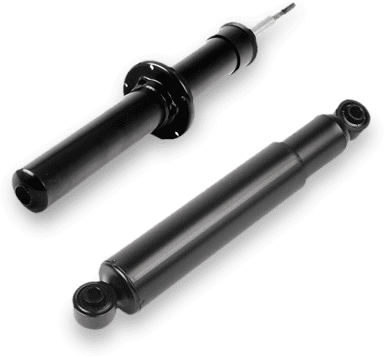
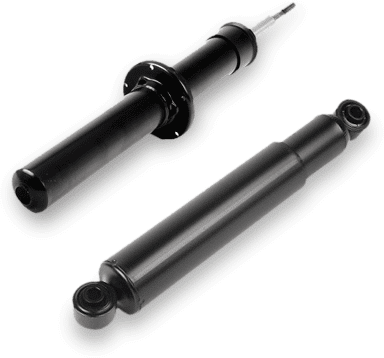
Magnum Technology APM025MT Shock absorberShock Absorber Type: Oil Pressure; Shock Absorber Mounting Type: Top yoke; Shock Absorber Design: Telescopic Shock Absorber; Fitting Position: Rear Axle Left; Vehicle Equipment Line/Trim Level: Airmatic; Braking/Driving Dynamics: for vehicles with ADS407,99 £*Shipping: 1,99 £Secure redirect to the provider
-
Magnum Technology MGS3065 Tailgate strutFitting Position: both sides; Colour: black; Styling: without spoiler; Length [mm]: 466,5; Stroke [mm]: 172; Extention Force [N]: 455; Housing Diameter [mm]: 18,5; Piston Rod Diameter [mm]: 8; Construction Year from: 07/201316,49 £*Shipping: 8,45 £Secure redirect to the provider


-
What is ATP, KP, and ADP?
ATP (adenosine triphosphate) is a molecule that stores and transfers energy within cells. It is often referred to as the "energy currency" of the cell. KP (potassium phosphate) is a salt that contains potassium and phosphate ions. It is involved in various cellular processes, including energy metabolism. ADP (adenosine diphosphate) is a molecule that forms when ATP loses one of its phosphate groups during energy-releasing reactions. ADP can be converted back into ATP through cellular respiration to replenish the cell's energy supply. **
-
What are ATP, ADP, and AMP?
ATP (adenosine triphosphate) is a molecule that stores and transfers energy within cells. When ATP is used for energy, it is converted into ADP (adenosine diphosphate) by removing a phosphate group. Further breakdown of ADP results in AMP (adenosine monophosphate) by removing another phosphate group. These molecules are crucial for energy transfer and storage in various cellular processes. **
-
Can ADP P be written as ADPP?
No, ADP P cannot be written as ADPP. ADP stands for adenosine diphosphate, which consists of adenosine and two phosphate groups. When written as ADP P, it indicates the presence of an additional phosphate group attached to adenosine diphosphate. Therefore, ADP P and ADPP are not the same. **
-
What is the difference between ATP and ADP?
ATP (adenosine triphosphate) is a high-energy molecule that stores and transfers energy within cells for various cellular processes. It consists of three phosphate groups. When ATP is used for energy, it is hydrolyzed into ADP (adenosine diphosphate) by removing one phosphate group, releasing energy in the process. ADP has two phosphate groups and is considered a lower-energy molecule compared to ATP. **


What is the difference between ADP and ATP?
ADP (adenosine diphosphate) and ATP (adenosine triphosphate) are both molecules involved in energy transfer within cells. The main difference between the two is the number of phosphate groups they contain. ATP has three phosphate groups, while ADP has two. When ATP is hydrolyzed, it releases energy and becomes ADP, and when ADP is phosphorylated, it gains a phosphate group and becomes ATP. This cycle of conversion between ADP and ATP is crucial for energy storage and transfer in cells. **
What is the labeling for ATP and ADP in biology?
In biology, ATP (adenosine triphosphate) is often referred to as the "energy currency" of the cell. It is labeled as the primary molecule used to store and transfer energy within cells. On the other hand, ADP (adenosine diphosphate) is the molecule that results from the hydrolysis of ATP, releasing energy for cellular processes. ADP is often labeled as the precursor to ATP, as it can be converted back into ATP through the addition of a phosphate group. **
Top-Angebote
Products related to Adp:
-
Youfap Market DIY Digital Cyber Hourglass Birthday Gift, Interactive LED Hourglass For Kids, Cyber Style With Glowing Technology square BlueTransform the ordinary into something extraordinary with the DIY Digital Cyber Hourglass! This innovative toy brings a futuristic glow to any room, making it the perfect birthday gift for kids who love unique, techinspired gadgets. With its striking...59,97 $*Shipping: 0,00 $Secure redirect to the provider
-
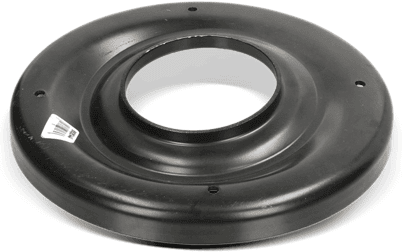
Magnum Technology AG0547MT Shock absorberShock Absorber Design: Suspension Strut; Shock Absorber System: Twin-Tube; Shock Absorber Type: Gas Pressure; Parameter: SFE30X; Fitting Position: Front Axle Right; Shock Absorber Mounting Type: Top pin; Suspension: for vehicles with standard suspension; for OE number: 54661-2L000, 54661-2L100, 54661-2L200, 54661-2L500, 54661-2L60051,99 £*Shipping: 8,45 £Secure redirect to the provider
-
Magnum Technology MGS0102 Tailgate strutFitting Position: both sides; Styling: without spoiler; Length [mm]: 560; Stroke [mm]: 221; Extention Force [N]: 290; Colour: black; Housing Diameter [mm]: 18; min. length [mm]: 322; Piston Rod Diameter [mm]: 814,99 £*Shipping: 8,45 £Secure redirect to the provider
-
What is ADP in biology?
ADP, or adenosine diphosphate, is a molecule that plays a crucial role in cellular energy metabolism. It is formed when ATP (adenosine triphosphate) loses one of its phosphate groups, releasing energy that can be used by the cell for various processes. ADP can be converted back into ATP through the process of cellular respiration, where energy from nutrients is used to reattach a phosphate group to ADP, replenishing the cell's energy supply. **
-
What are ATP and ADP?
ATP (adenosine triphosphate) is a molecule that stores and transfers energy within cells. It is often referred to as the "energy currency" of the cell because it provides the energy needed for various cellular processes. When ATP is used for energy, it is converted to ADP (adenosine diphosphate) by releasing one phosphate group, along with the energy stored in the bond. ADP can then be converted back to ATP through cellular respiration to replenish the cell's energy supply. **
-
What is ATP, KP, and ADP?
ATP (adenosine triphosphate) is a molecule that stores and transfers energy within cells. It is often referred to as the "energy currency" of the cell. KP (potassium phosphate) is a salt that contains potassium and phosphate ions. It is involved in various cellular processes, including energy metabolism. ADP (adenosine diphosphate) is a molecule that forms when ATP loses one of its phosphate groups during energy-releasing reactions. ADP can be converted back into ATP through cellular respiration to replenish the cell's energy supply. **
-
What are ATP, ADP, and AMP?
ATP (adenosine triphosphate) is a molecule that stores and transfers energy within cells. When ATP is used for energy, it is converted into ADP (adenosine diphosphate) by removing a phosphate group. Further breakdown of ADP results in AMP (adenosine monophosphate) by removing another phosphate group. These molecules are crucial for energy transfer and storage in various cellular processes. **
Similar search terms for Adp
-
Magnum Technology APM025MT Shock absorberShock Absorber Type: Oil Pressure; Shock Absorber Mounting Type: Top yoke; Shock Absorber Design: Telescopic Shock Absorber; Fitting Position: Rear Axle Left; Vehicle Equipment Line/Trim Level: Airmatic; Braking/Driving Dynamics: for vehicles with ADS407,99 £*Shipping: 1,99 £Secure redirect to the provider
-
Magnum Technology MGS3065 Tailgate strutFitting Position: both sides; Colour: black; Styling: without spoiler; Length [mm]: 466,5; Stroke [mm]: 172; Extention Force [N]: 455; Housing Diameter [mm]: 18,5; Piston Rod Diameter [mm]: 8; Construction Year from: 07/201316,49 £*Shipping: 8,45 £Secure redirect to the provider
-
Magnum Technology AG4055MT Shock absorberFitting Position: Rear Axle, Front Axle Left, Front Axle Right; Shock Absorber Type: Gas Pressure; Shock Absorber Mounting Type: Bottom eye, Top pin; Shock Absorber Design: Telescopic Shock Absorber; Suspension: for vehicles with standard suspension, for vehicles with sports suspension49,99 £*Shipping: 8,45 £Secure redirect to the provider
-
Youfap Market DIY Digital Cyber Hourglass Birthday Gift, Interactive LED Hourglass For Kids, Cyber Style With Glowing Technology square RedTransform the ordinary into something extraordinary with the DIY Digital Cyber Hourglass! This innovative toy brings a futuristic glow to any room, making it the perfect birthday gift for kids who love unique, techinspired gadgets. With its striking...59,97 $*Shipping: 0,00 $Secure redirect to the provider
-
Can ADP P be written as ADPP?
No, ADP P cannot be written as ADPP. ADP stands for adenosine diphosphate, which consists of adenosine and two phosphate groups. When written as ADP P, it indicates the presence of an additional phosphate group attached to adenosine diphosphate. Therefore, ADP P and ADPP are not the same. **
-
What is the difference between ATP and ADP?
ATP (adenosine triphosphate) is a high-energy molecule that stores and transfers energy within cells for various cellular processes. It consists of three phosphate groups. When ATP is used for energy, it is hydrolyzed into ADP (adenosine diphosphate) by removing one phosphate group, releasing energy in the process. ADP has two phosphate groups and is considered a lower-energy molecule compared to ATP. **
-
What is the difference between ADP and ATP?
ADP (adenosine diphosphate) and ATP (adenosine triphosphate) are both molecules involved in energy transfer within cells. The main difference between the two is the number of phosphate groups they contain. ATP has three phosphate groups, while ADP has two. When ATP is hydrolyzed, it releases energy and becomes ADP, and when ADP is phosphorylated, it gains a phosphate group and becomes ATP. This cycle of conversion between ADP and ATP is crucial for energy storage and transfer in cells. **
-
What is the labeling for ATP and ADP in biology?
In biology, ATP (adenosine triphosphate) is often referred to as the "energy currency" of the cell. It is labeled as the primary molecule used to store and transfer energy within cells. On the other hand, ADP (adenosine diphosphate) is the molecule that results from the hydrolysis of ATP, releasing energy for cellular processes. ADP is often labeled as the precursor to ATP, as it can be converted back into ATP through the addition of a phosphate group. **
* All prices are inclusive of VAT and, if applicable, plus shipping costs. The offer information is based on the details provided by the respective shop and is updated through automated processes. Real-time updates do not occur, so deviations can occur in individual cases. ** Note: Parts of this content were created by AI.